Pellicola World


Pellicola

About Our Clinoptilolite
A Precision-Engineered Solution
Pellicola adsorbs nanoscale substances—whether gaseous or liquid—at room temperature and standard pressure, trapping only the solid material (with air and moisture removed) within the porous structure of natural ore. The adsorbed substances are transported safely to their destination without leaking from the structure, even after their volume has decreased. At the destination, depending on the intended use, users can choose to desorb the material at room temperature and pressure for reuse as raw material, or burn it in a high-temperature furnace to render it harmless.
Since there is nothing particularly mysterious about this explanation, people readily accept it as “that makes sense.” It is common knowledge that even with other adsorbents, such as MOFs or ion-exchange resins, CO₂ can be transported without being liquefied as long as the material is securely packaged to prevent leakage. It is also common knowledge that even items like PFAS or radioactive waste can be sent via regular mail at the post office without the need to adjust pressure or temperature, provided they are properly packaged. We send test specimens with CO₂ adsorbed by Pellicola via regular mail for testing purposes (Note: CO₂ test specimens for the specific surface area test at Tokyo Ceramics [TYK]).
When you think about it carefully, Pellicola is a microporous structure, and once an adsorbate is incorporated into it, it does not leak easily—it is a natural treatment method.
We—including experts—tend to assume, for example, that because CO₂ is a gas, it requires a massive volume in its gaseous state, and that to reduce its volume, it must be liquefied for transport. Both engineers and business executives are under the misconception that this requires massive, large-scale liquefaction facilities and enormous capital investment—a system far beyond the reach of small and medium-sized enterprises.
However, as becomes immediately clear upon actual testing, one realizes this is merely a misconception. “The adsorbed CO₂ is adsorbed at room temperature and atmospheric pressure, with at least 25 wt% firmly retained within the porous structure. Since there is no risk of leakage, it can be transported to its destination while remaining adsorbed.” Once people accurately understand that this is possible, the way the world operates will undergo a 180-degree shift.
We filed a patent application for this technology, which was examined and granted by the Japan Patent Office in June 2026.
At first, the world will likely reject it as absurd. However, since it can be easily proven through testing, this technology will inevitably be accepted and become common sense. It will become common sense not only in Japan but around the world, and the methods of transporting various substances will change dramatically.
Cleaning our water.
Treating the world's worst pollutants.
Real World Applications

Cesium

NH3 Ammonia

PFAS

CO2
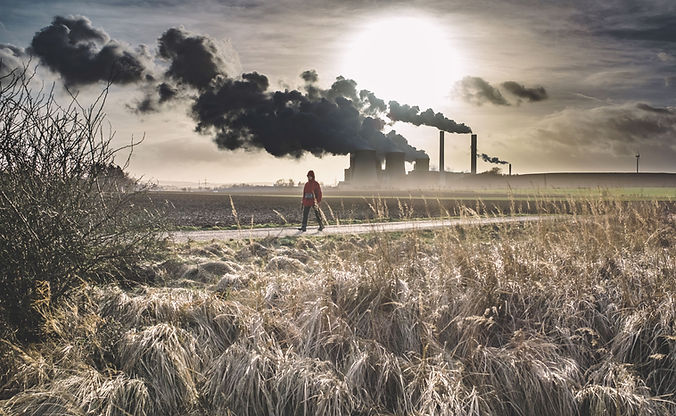
Cesium
Radioactive cesium is one of the radioactive materials generated when uranium undergoes nuclear fission in nuclear power plants. As global energy demand continues to rise, the importance of nuclear power is being reassessed worldwide. Consequently, the need for technologies that can safely manage radioactive cesium is increasing, yet no definitive solution currently exists. Pellicola offers a promising approach to this unresolved challenge.


PFAS
PFAS (Per- and Polyfluoroalkyl Substances) are synthetic fluorinated compounds that have been widely used in everyday products, including foam fire extinguishing agents, primer coatings for various paints, and Teflon coatings for cookware. More than 12,000 PFAS-related substances are known. In recent years, their toxicity and environmental persistence have been revealed, leading to strict bans and regulations worldwide.
PFAS are found in drinking water, wastewater, industrial effluents, and various waste streams. Existing adsorbents struggle to remove PFAS efficiently, and complete destruction technologies have not yet been established. As a result, PFAS contamination remains a major unresolved global challenge.
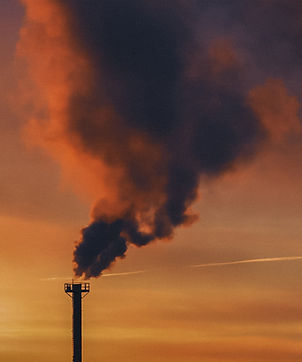
CO2
For a long time, carbon dioxide (CO₂) was believed to exist only as a gas under normal temperature and pressure. Because of this, CO₂ must be cooled and liquefied before it can be transported over long distances. This method—using special equipment and dedicated ships—is widely used around the world. In Japan as well, projects are underway to transport liquefied CO₂ overseas, such as to Malaysia, for underground storage.